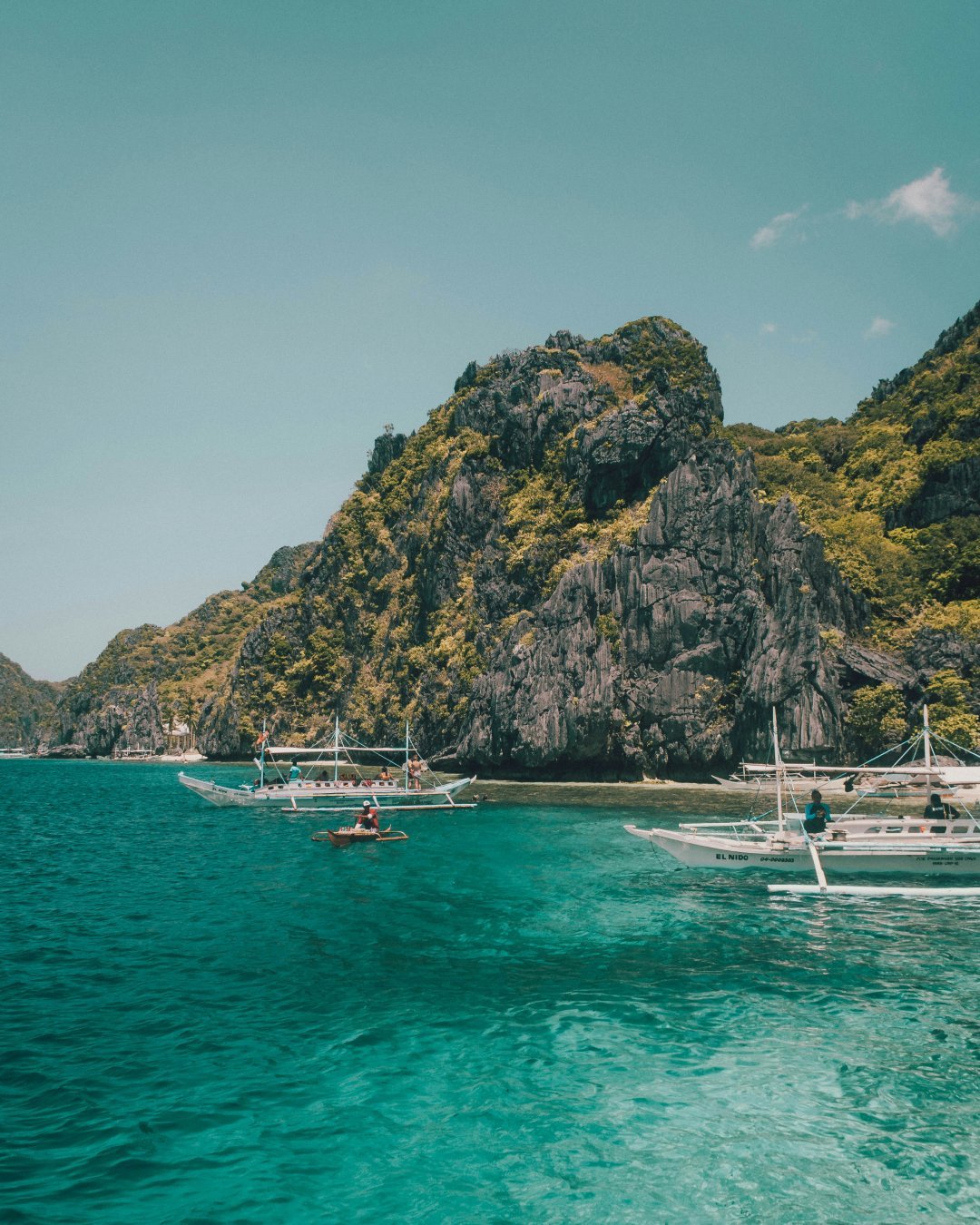
A living Sardine
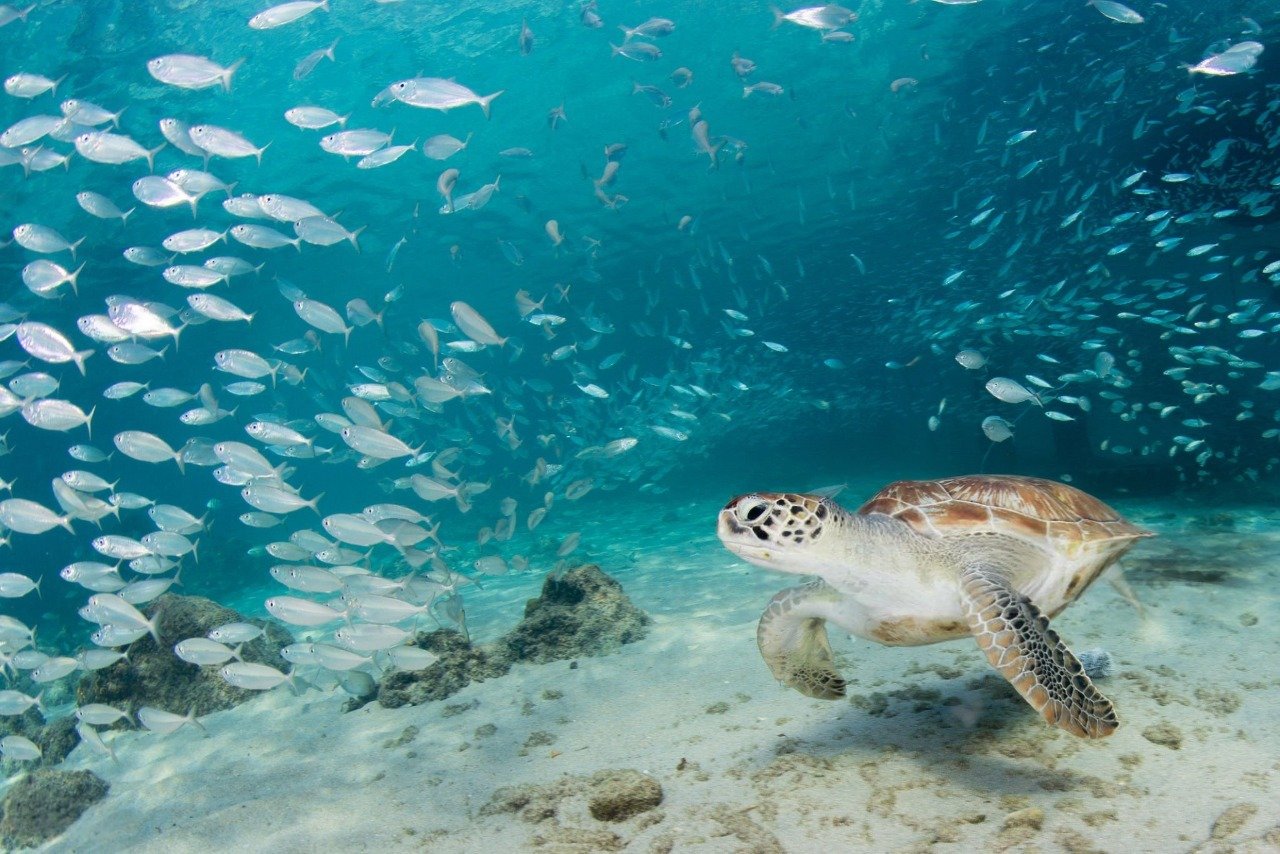
In Moalboal, a living sardine “storm” pulses just meters from shore—millions of fish moving as one, morphing between silver ribbons and dense spheres. It’s mesmerizing whether you’re snorkeling, freediving, or scuba—accessible, affordable, and endlessly watchable.
Nearby reefs add variety: shallow coral gardens, turtles grazing on sea grass, and the dramatic walls of Pescador Island. The experience is low-fuss and high-reward, ideal for mixed groups and first-time ocean adventurers.
Sardine Run And Turtles Destinations
Panagsama Beach, Moalboal
Shore-entry sardine bait ball right off the seawall, with easy access and lively house reefs.
Pescador Island, Moalboal
Boat-accessed walls, caverns, and frequent pelagic passes amid healthy coral.
Apo Island, Negros Oriental
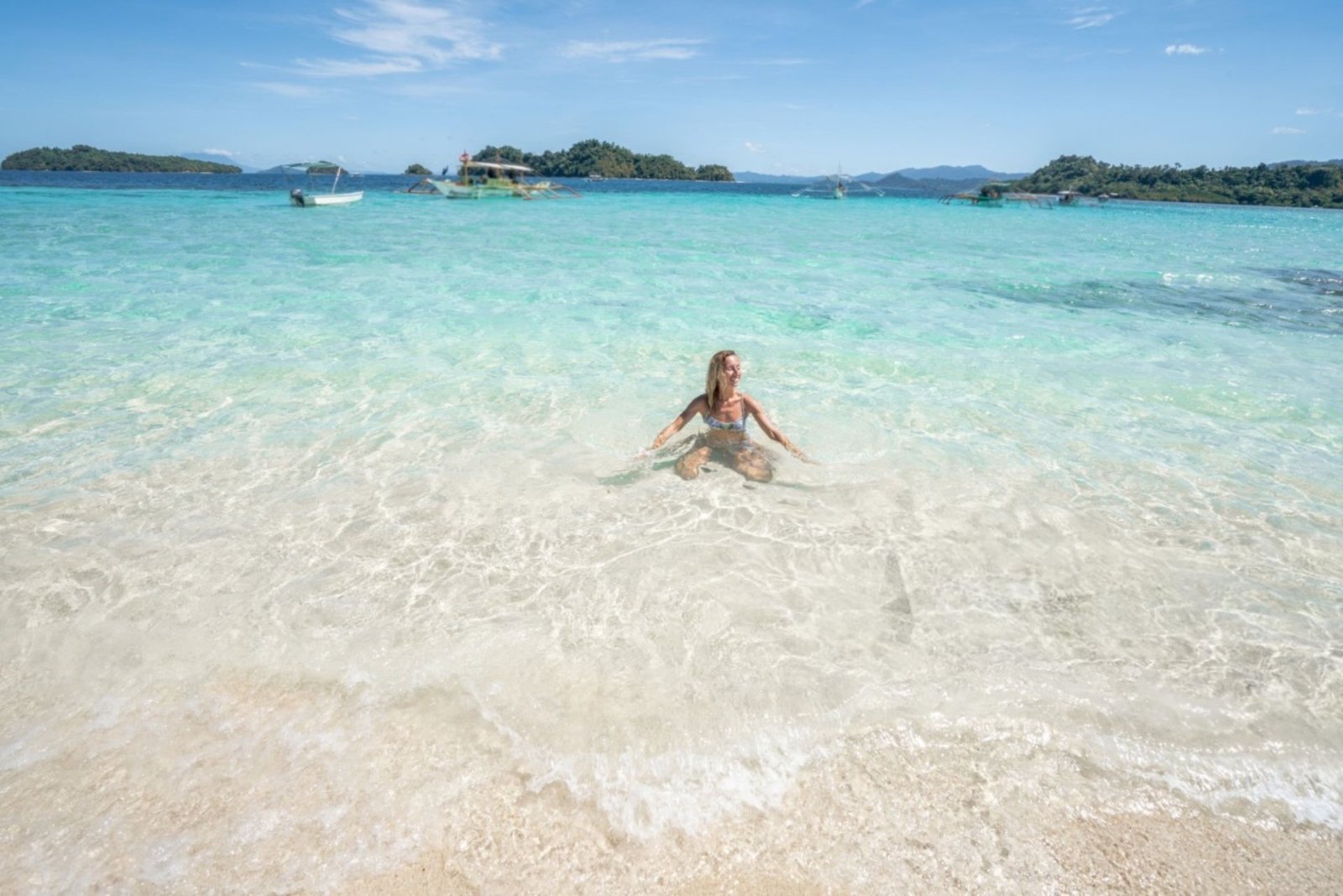
Turtle-rich marine sanctuary with calm, clear shallows great for snorkelers and beginners.


Best Time for Sardine Run And Turtles
Sardines are present year-round in Moalboal, but seas are calmest and visibility best from November to May. Mornings bring lighter wind and fewer crowds, making early sessions especially pleasant.
During the wet season (Jun–Oct), visibility can vary and seas may chop up; conditions can still be good with flexibility. After heavy rain or wind, target protected spots and ask local guides about daily visibility and current strength.
Preparation Tips
Bring a well-fitting mask and snorkel; consider a low-volume mask if freediving. A thin rash guard or shorty suit adds buoyancy and warmth, while a bright float/SMB increases your visibility to boats.
Respect the bait ball—don’t touch or corral the fish, and give turtles space. If you’re new, hire a local guide for safety briefings and to navigate currents or boat traffic efficiently.
Sardine Run And Turtles Benefits
This is ocean magic with a light footprint—no heavy logistics, just immersive nature minutes from shore. It’s great for building water confidence and practicing breath-holds or buoyancy.
Economically, Moalboal’s accessible model supports local guides and small businesses. Educationally, it’s a firsthand lesson in predator-prey dynamics and reef health that inspires stewardship.