Steady Trade Winds
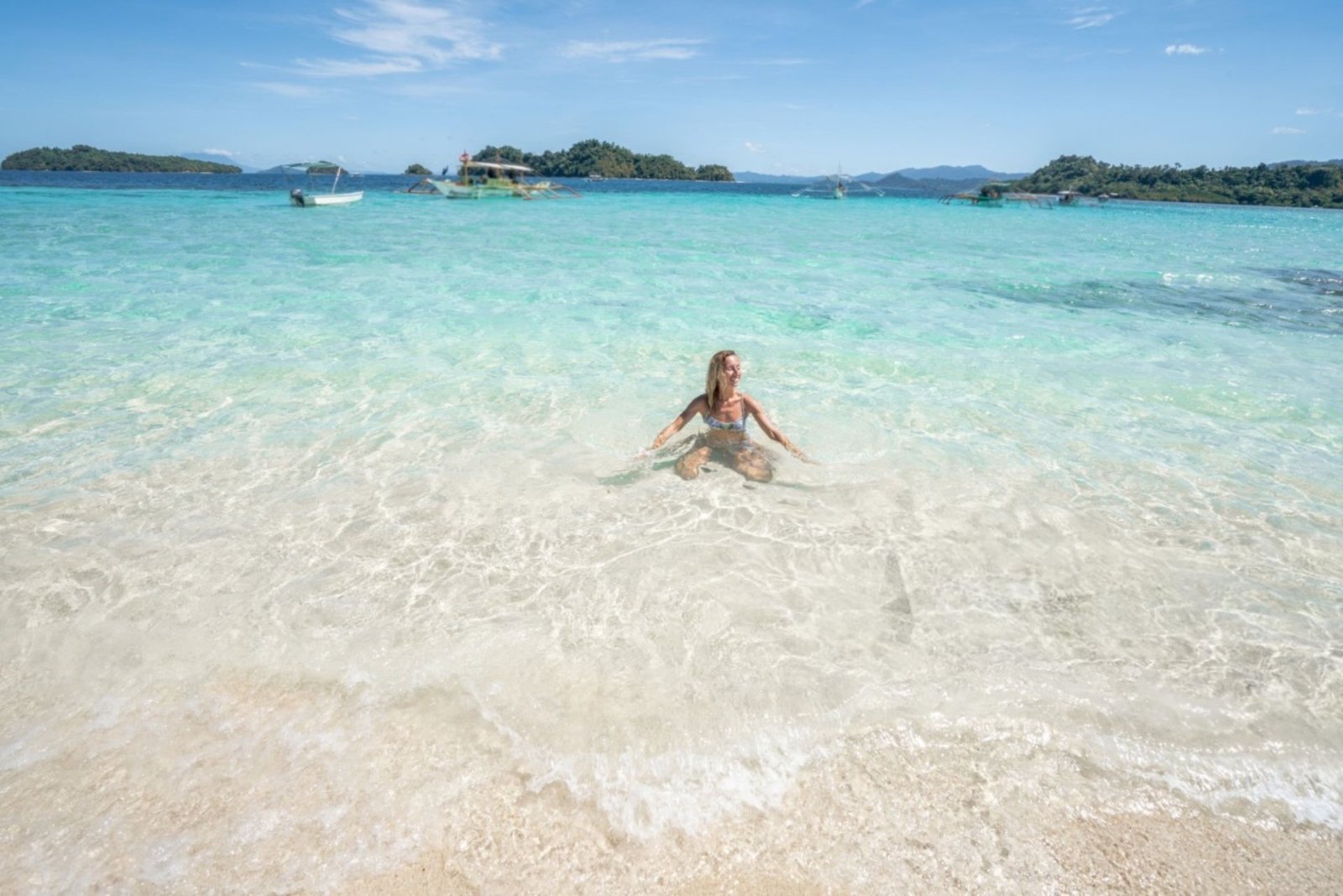
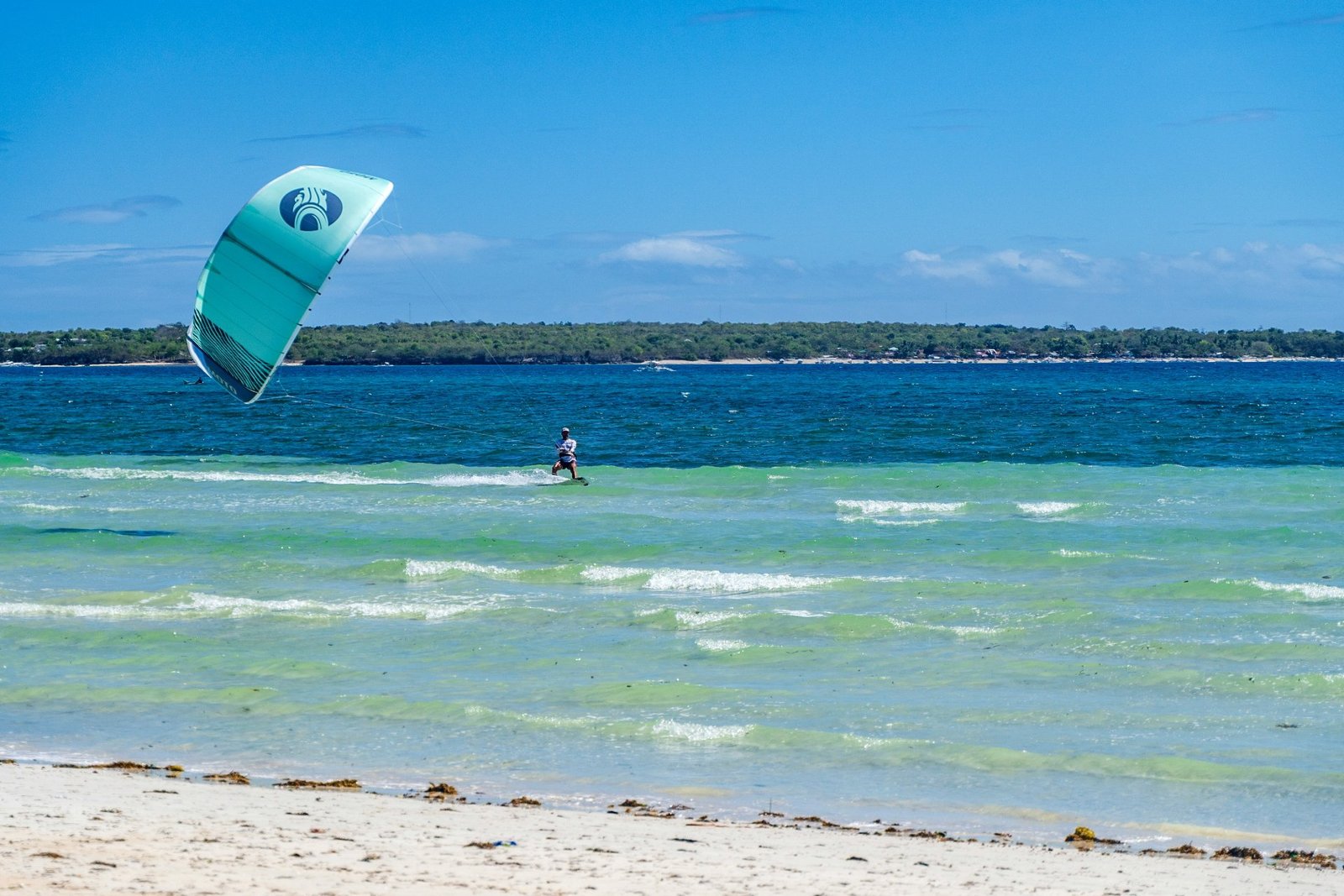
The Philippines has warm, shallow lagoons and steady trade winds that make learning and leveling up feel smooth and safe. Whether you’re body-dragging day one or throwing backrolls by week’s end, the progression arc is fast and rewarding.
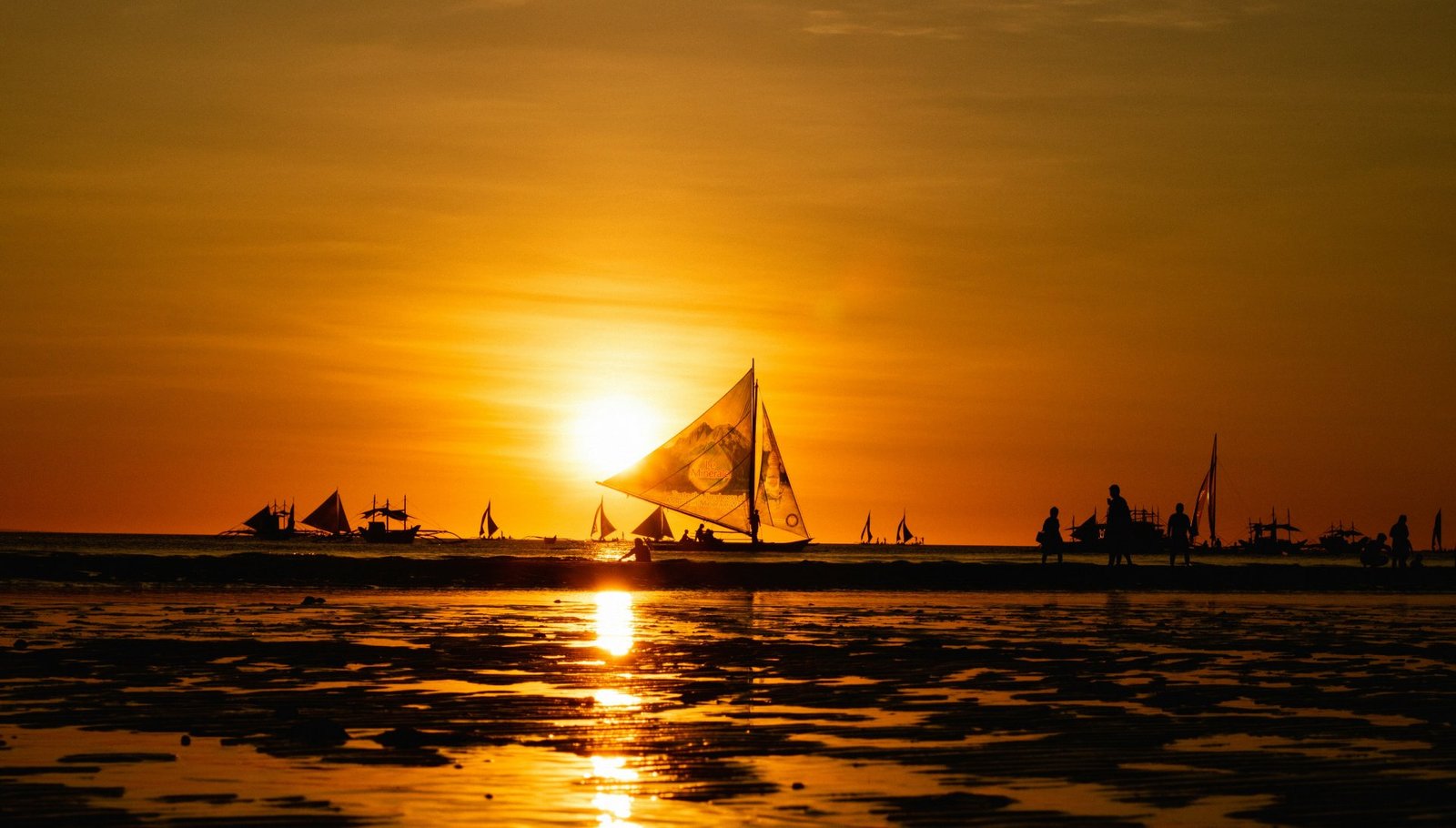
Spots range from world-famous Bulabog Beach to remote islands with mirror-flat water. Schools are plentiful, and the post-session scene is laid-back: rinse, recap, and sunset chill.
Kitesurfing Destinations
Boracay (Bulabog Beach)
Amihan trade winds and a wide, shallow lagoon ideal for lessons and freestyle.
Cuyo Islands, Palawan
Strong, clean winds over turquoise flats with a remote, uncrowded vibe.
Pagudpud, Ilocos Norte (Kingfisher)
Wave and freeride playground with wind funnels and dramatic coastlines.


Best Time for Kitesurfing
Amihan season (November to April) is prime across most kite spots—expect 15–25‑knot NE trade winds, with January to March often the most reliable. Mornings can be lighter for beginners; afternoons tend to pick up for advanced riders.
Some west-coast or northern exposures see workable Habagat sessions (May to October), but conditions are more variable. Check local tide tables; mid to high tide often provides safer depth for learners in reefy lagoons.
Preparation Tips
Take IKO-certified lessons; learn self-rescue, wind windows, and right-of-way before going solo. Wear an impact vest, helmet, and booties if reefs are present; use sunscreen that won’t sting eyes.
Match kite sizes to wind range (e.g., 7–9 m for strong days, 10–12 m for moderate). Bring spare parts—pigtails, pump adapters, fin screws—and respect launch zones and no-ride areas set by schools.

Kitesurfing Benefits
Kiting delivers a full-body workout without pounding joints—powerful for cardio, core, and coordination. Early wins (your first water-start, first upwind) are huge confidence boosters.
The community is supportive and global; you’ll quickly find buddies and tips. Wind awareness and tide literacy translate into safer, more respectful ocean habits.