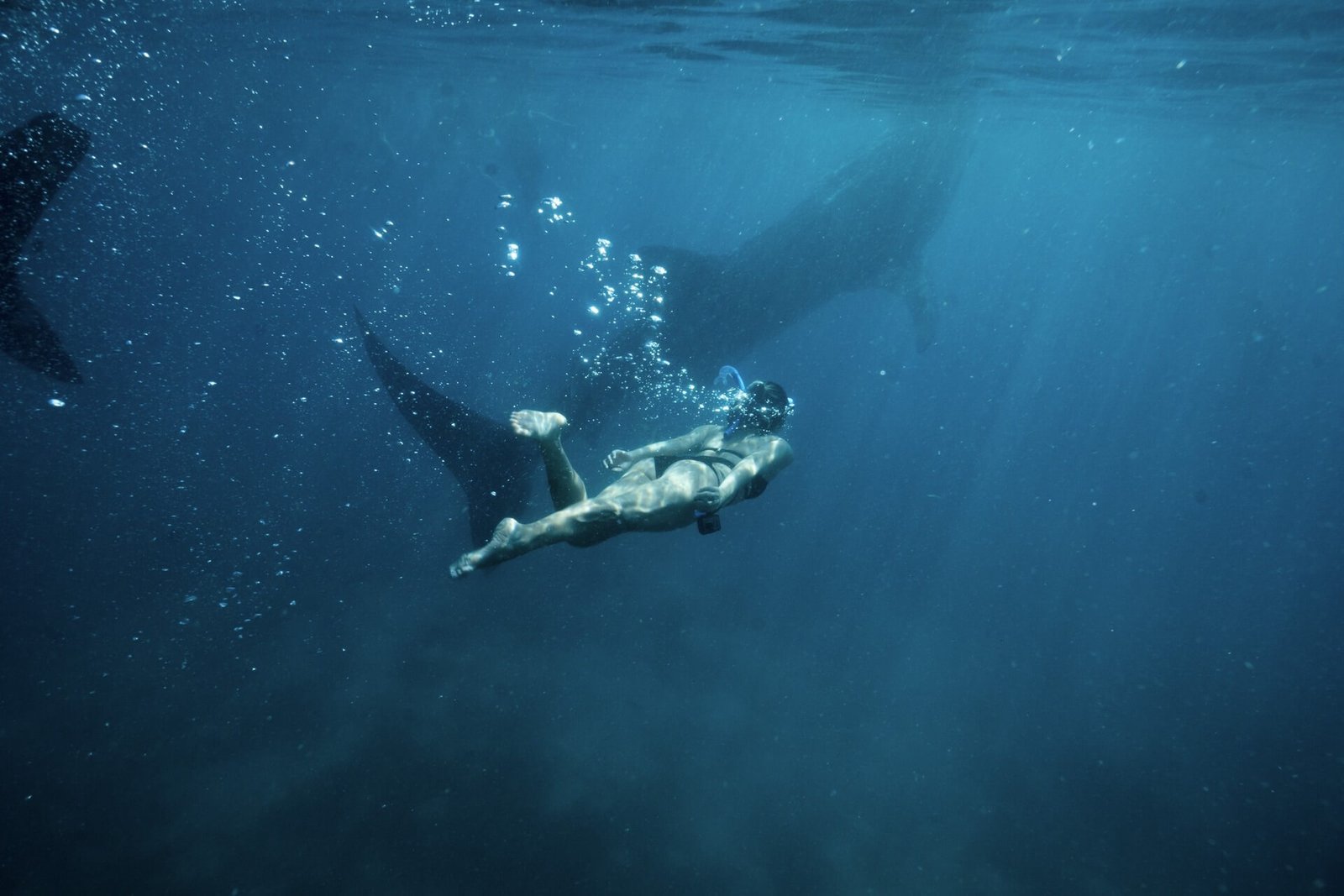
Whale Shark Interactions
Donsol pioneered non-provisioned whale shark interactions, focusing on strict guidelines that respect natural behavior. Boats search for surface signs and position swimmers at a respectful distance, letting the animal set the tone rather than feeding or corralling.
Encounters can be brief or breathtakingly close, but they feel authentic—wild animals in open water, not a staged show. The anticipation, the first shadow emerging beneath you, and the calm, enormous presence of the world’s biggest fish make for a profound memory.
Whale Shark EncounterDestinations
Donsol, Sorsogon
The Philippines’ ethical whale-shark model with briefings, spotter boats, and non-feeding guidelines.
Sogod Bay, Southern Leyte
Seasonal wild encounters in clear, calm bays with low boat traffic.
Ticao Pass, Masbate/Sorsogon
A pelagic corridor where local operators sometimes spot transiting giants.
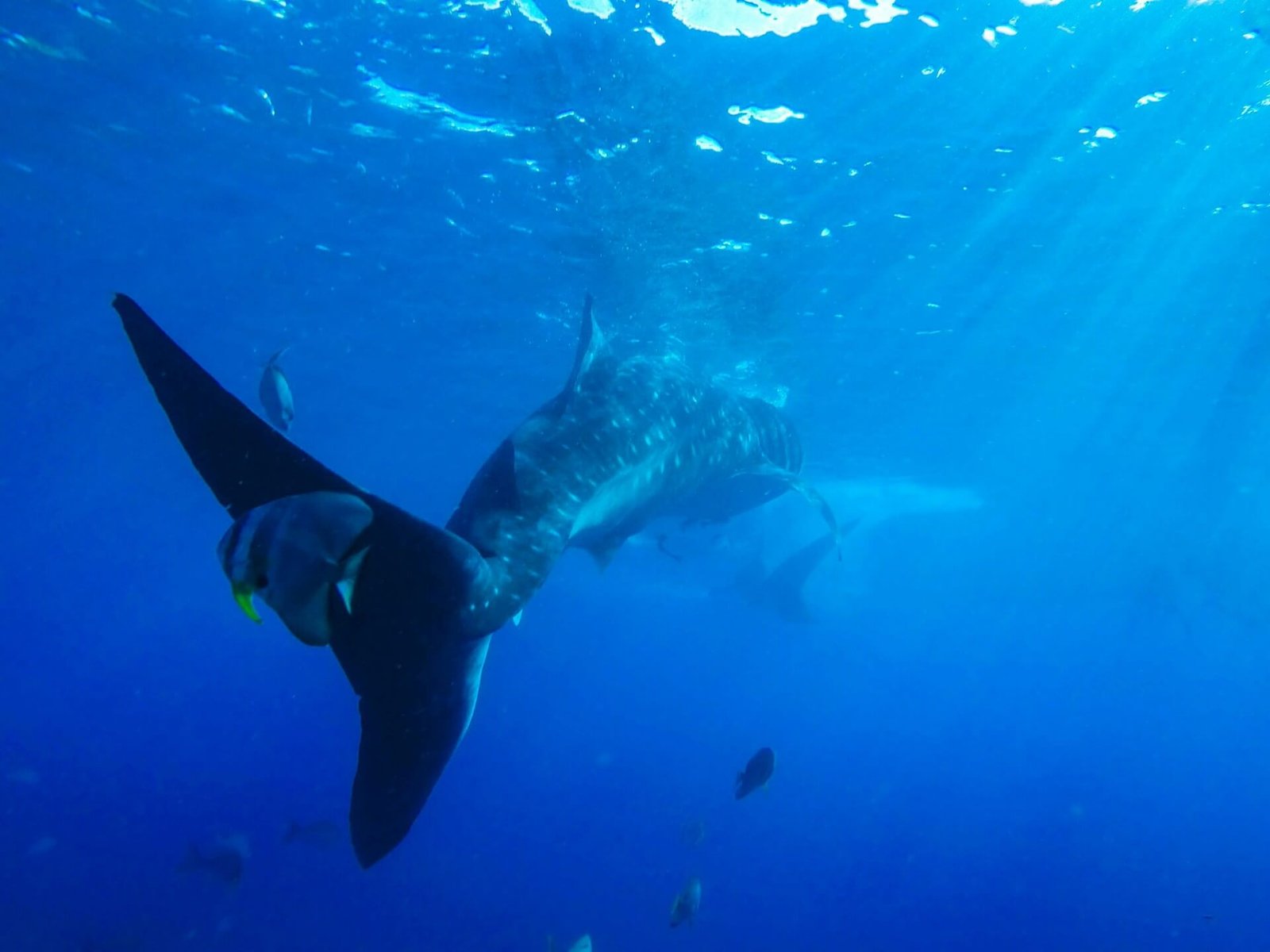

Best Time forWhale Shark Encounter
Donsol’s season generally runs November to May, peaking around February to April when plankton and temps align. Mornings often feature calmer seas and better spotting; multiple half-days increase your chances.
In Southern Leyte, sightings cluster in cooler, plankton-rich months as well. Weather windows matter—if wind or rain reduces visibility, operators may shift timing or recommend adding days to optimize success.
Preparation Tips
Choose accredited operators and attend the full briefing; understand approach distances (often 3–4 meters), no-touch rules, and group entry protocols. Wear a snug mask/snorkel and fins for efficient movement; neutral-colored rash guards help avoid startling wildlife.
Practice calm entries and controlled breathing so you can settle quickly without splashing. Bring a wide-angle action camera on a short mount if filming; avoid flashes and aggressive pursuit. Patience is key—accept that not every pass will be close.
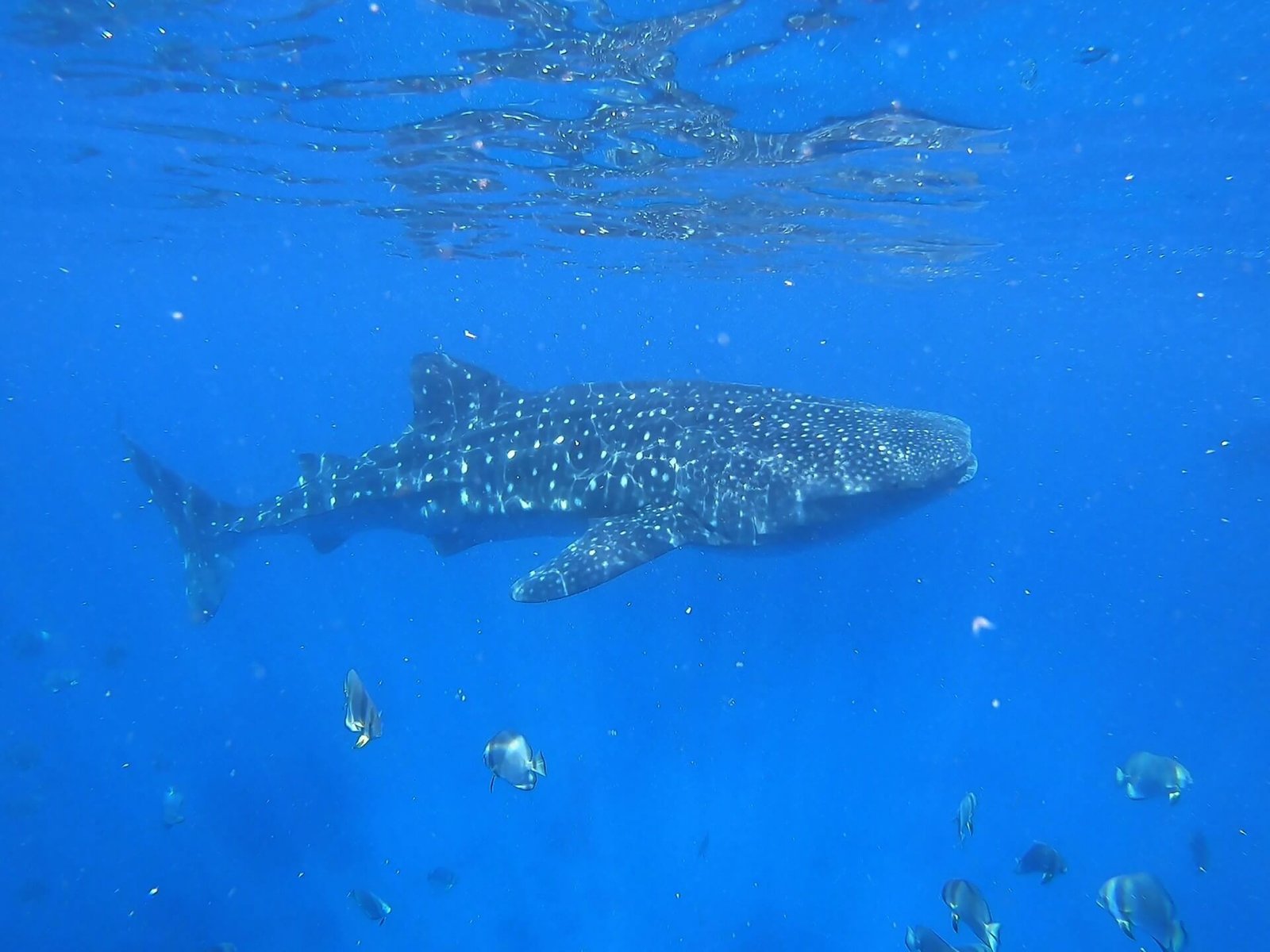
Whale Shark EncounterBenefits
Ethical encounters align conservation and livelihoods—your fees fund protection and give communities incentive to safeguard whale sharks. You leave with deeper appreciation for pelagic ecosystems and migratory corridors.
Personally, it’s a powerful mix of awe and mindfulness: moving slowly, matching the animal’s pace, and witnessing scale without fear. The experience often catalyzes long-term ocean-friendly habits and support for marine conservation.
How to Get to Donsol
Donsol is a coastal town in Sorsogon, at the southern end of Luzon. Fly to Bicol International Airport (DRP) in Daraga, Albay, then head to the Legazpi Grand Central Terminal for a shared van to Donsol, about 1.5 hours; jeepneys are slower (how to get to Donsol; Legazpi to Donsol). Vans leave when full and the last trips run in the late afternoon, so aim to arrive in daylight.
Sightings are never guaranteed, so plan two or three mornings in Donsol to give yourself several chances.
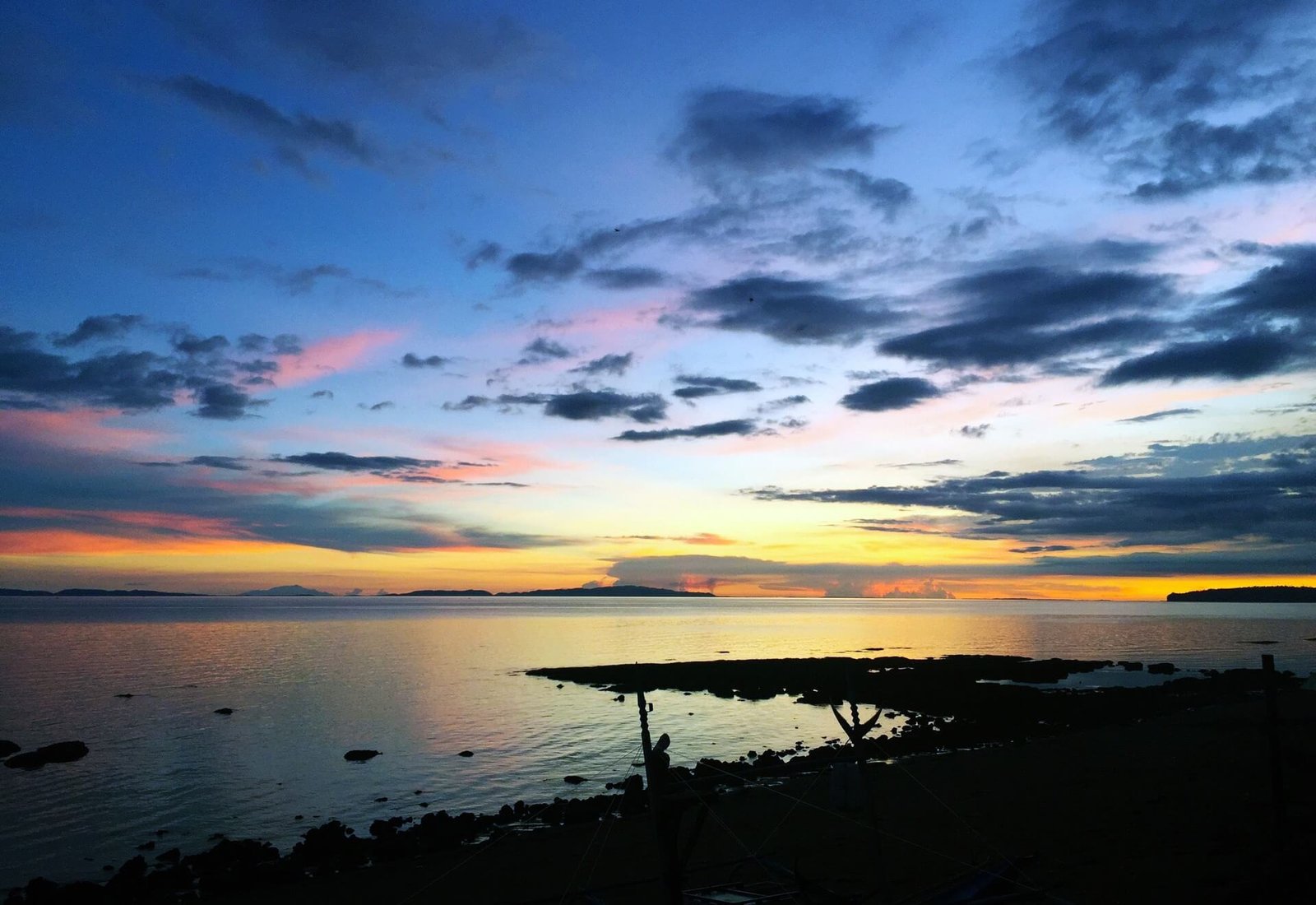
What to Expect
Whale sharks are in Donsol waters from about November to June, with the best months usually February to April (Philippine Information Agency). Every visitor registers and attends an orientation before going out (Inquirer).
- Boats take up to six guests, with a Butanding Interaction Officer (BIO) on board (WWF-Philippines).
- It is snorkeling only. Scuba gear is not allowed.
- The crew searches for whale sharks in open water. When one is spotted you slip in quietly and swim alongside for a short time.
- Encounters can be brief, and some mornings bring none at all.
What to bring
- A well-fitting mask, snorkel and fins (rental gear is usually available in town, but your own fits better).
- A rash guard for sun protection instead of lots of sunscreen.
- A camera without flash, on a short strap.
- Cash for registration, boat and gear fees.
Responsible Travel Tips
Donsol’s whale shark program began in 1998 to protect the animals from hunting (WWF-Philippines), and its interactions are non-feeding. The local code of conduct asks you to:
- Keep at least 3 meters from the head and body and 4 meters from the tail.
- Never touch, ride or feed a whale shark, or block its path.
- Never use flash photography.
- Never use scuba gear, jet skis or underwater scooters.
- Keep to six swimmers per shark and one boat per shark.
These rules come from Donsol’s code of conduct (summary). Listen to your BIO; they enforce the rules for the animals’ sake.
Frequently Asked Questions
When is the best time to see whale sharks in Donsol?
The season runs from about November to June, and February to April is usually best.
Are sightings guaranteed?
No. These are wild animals in open water, so plan more than one morning.
Can I scuba dive with the whale sharks?
No. Interactions in Donsol are snorkel only.
How close can I get?
Keep at least 3 meters from the head and body and 4 meters from the tail.
Do I need to be a strong swimmer?
You should be comfortable swimming in open water with a mask and fins. Whale sharks move faster than they look, so stay calm and let the animal set the pace.
How is Donsol different from feeding sites?
Whale sharks in Donsol are not fed. You only see them if they happen to be there, which is what keeps the encounter wild.
More wild marine encounters: Moalboal’s sardine run and turtles and snorkeling at Panglao and Balicasag.