The Philippines’WWII wrecks
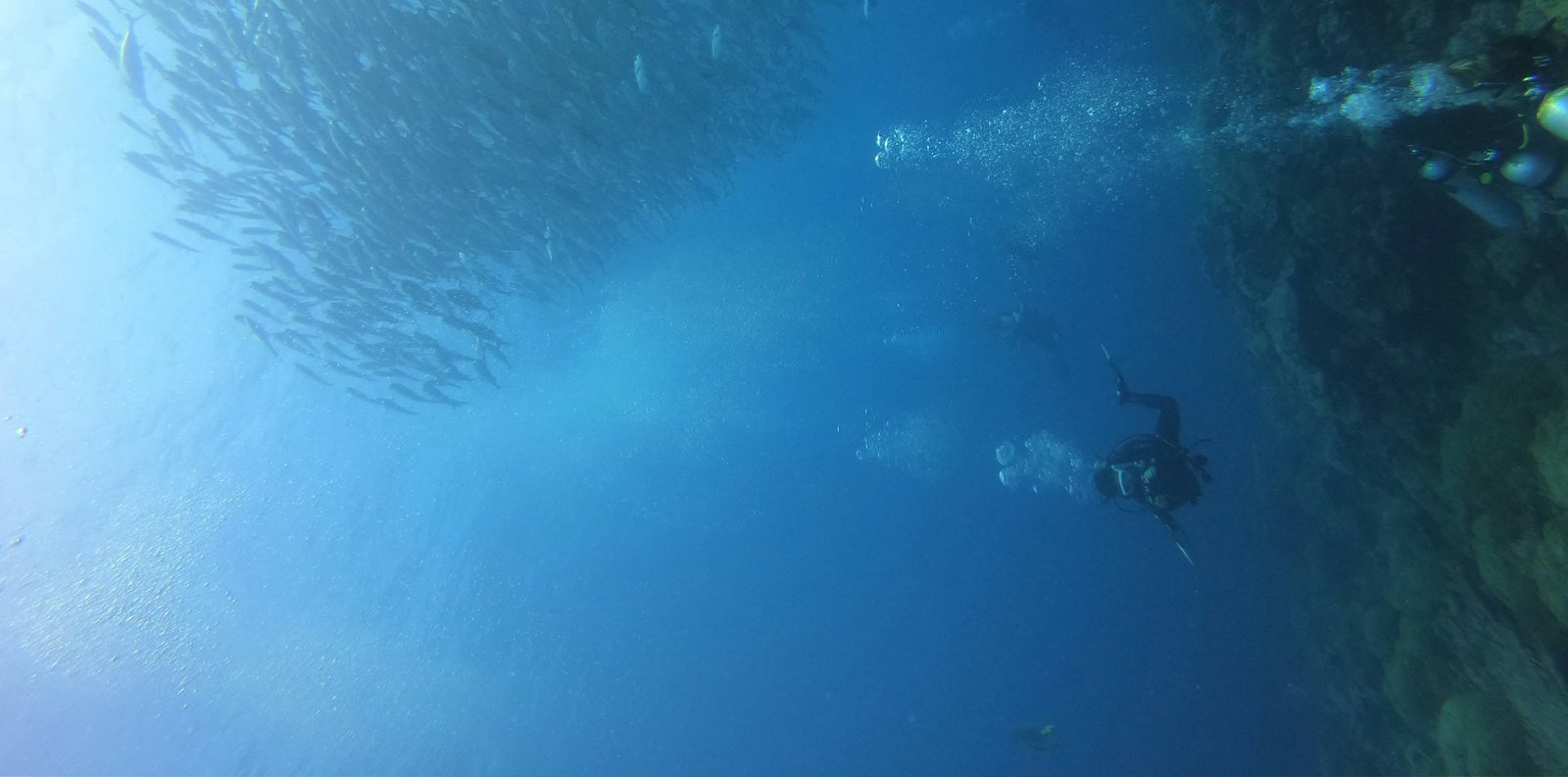
The Philippines’ WWII wrecks are underwater time capsules—steel giants now draped in soft corals and home to schools of batfish, snapper, and macro critters. Penetration-trained divers can explore cargo holds and passageways, while non-penetration routes still offer dramatic silhouettes and rich marine life.
Expect a powerful blend of history and nature: gun emplacements, engine rooms, and artifacts reclaimed by coral growth. Good operators provide briefings that bring each wreck’s story to life, turning a dive into a living museum experience.
Wreck DivingDestinations
Subic Bay, Zambales
Historic wrecks including USS New York and El Capitan, accessible year-round with varied depths.
Coron, Palawan
A cluster of Japanese wrecks like Irako and Akitsushima in recreational depths with prolific marine life.
Puerto Galera, Oriental Mindoro
Smaller wrecks and artificial reefs near Sabang, ideal for training and macro spotting.

Best Time forWreck Diving
Conditions are generally best from October to June, with peak visibility often April–June when seas are calm and plankton lowers. The dry season also reduces run-off, improving clarity and making surface conditions more predictable.
During rainy months (Jul–Sep), expect more variable visibility and occasional swell or wind shifts. Morning double-tanks often provide the calmest window; experienced operators will select sites suited to the day.
Preparation Tips
Advanced Open Water with recent dives is recommended; wreck/nitrox specialties add safety and bottom time. Bring a primary torch and backup, SMB with reel, and use gloves only if permitted (never touch the wreck).
Maintain excellent buoyancy to avoid silt-outs and protect fragile structures. For any light penetration, follow a trained guide, use the rule of thirds for gas, and avoid overheads beyond your training.
Wreck DivingBenefits
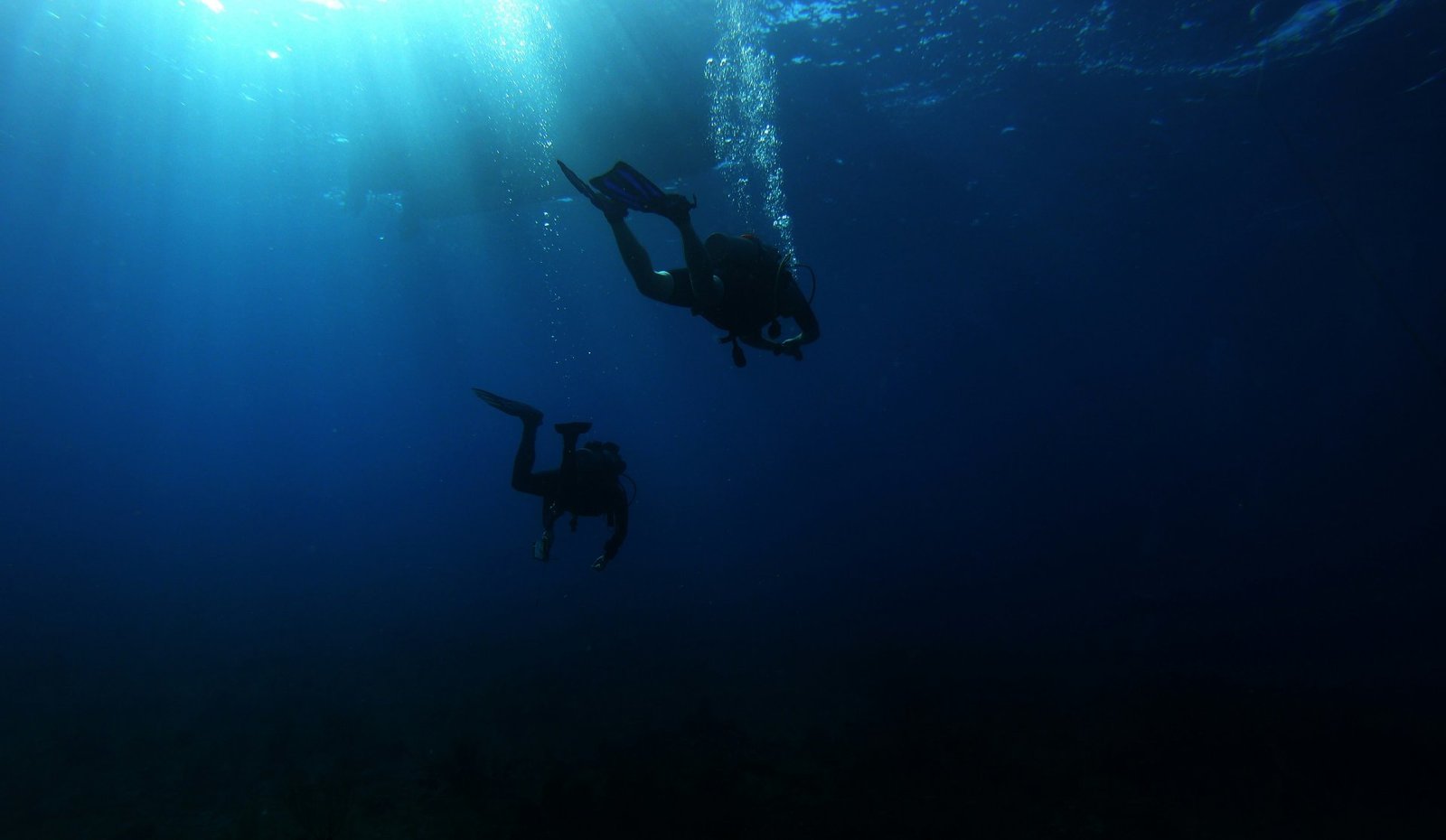
Wreck diving sharpens technical skills—navigation, buoyancy, and situational awareness—while connecting you to WWII history. It’s mentally engaging and humbling, reinforcing respect for safe practices.
Biodiversity thrives on wrecks: expect soft coral gardens, schooling fish, and macro. Supporting responsible operators helps fund conservation and maritime heritage protection.